Did you know that abandoned kittens can survive?
Although the best scenario for both the mother cat and her kittens is to stay together, we have a few tips to give a chance to those less fortunate. If the mother is not around, their chances of survival are nil without our intervention.
Assessing the situation
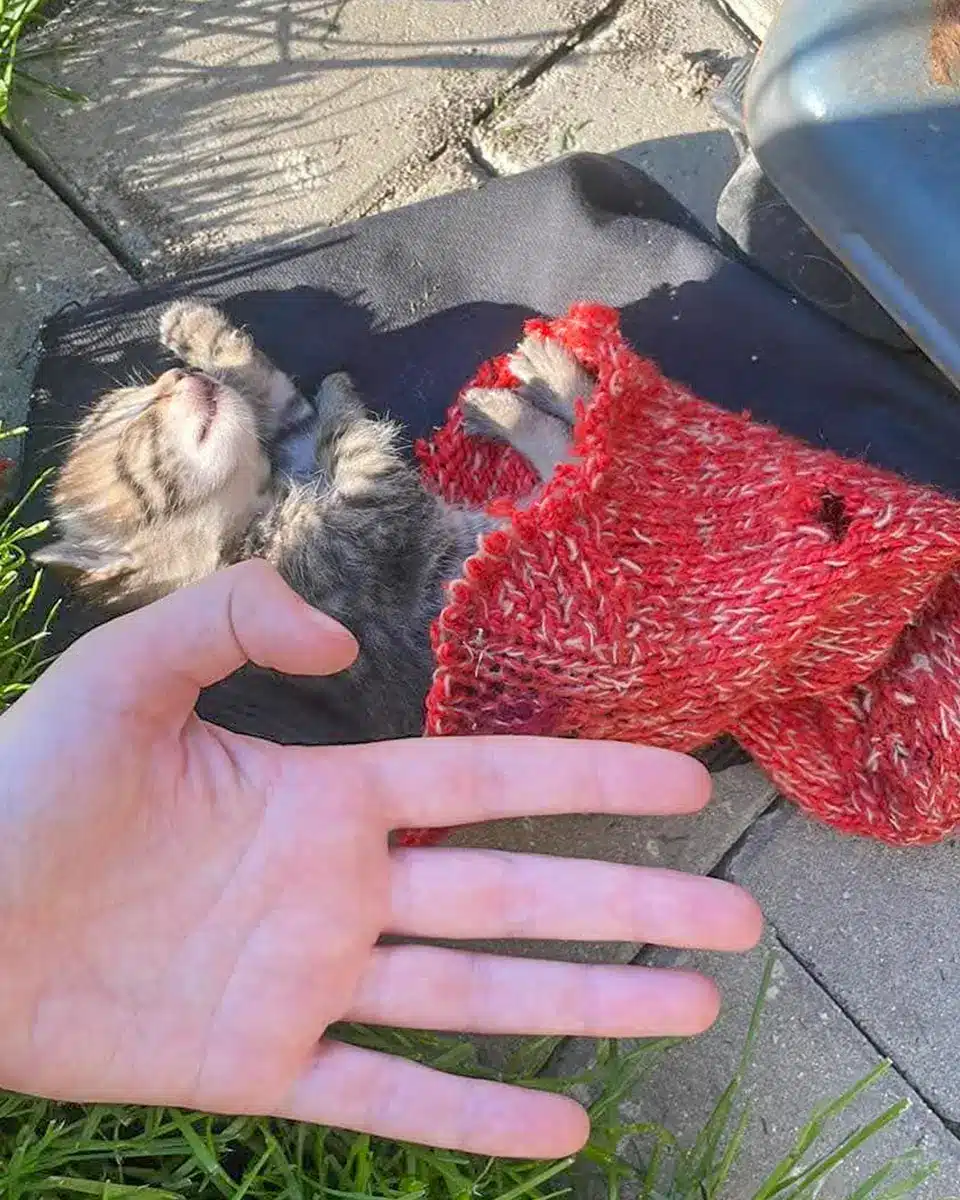
First, ensure that the mother cat is not nearby. If the kittens are found discarded in packaging (bin bags, dumpsters, hung in trees, boxes, etc.), it can be assumed that they were abandoned and the mother is not present. However, if the kittens are found by the roadside, under a bush, in a cellar, or hidden away, it’s important to wait and see if the mother is around, in which case the whole family can be rescued.
Kittens must be dry, clean, and kept at an optimal temperature
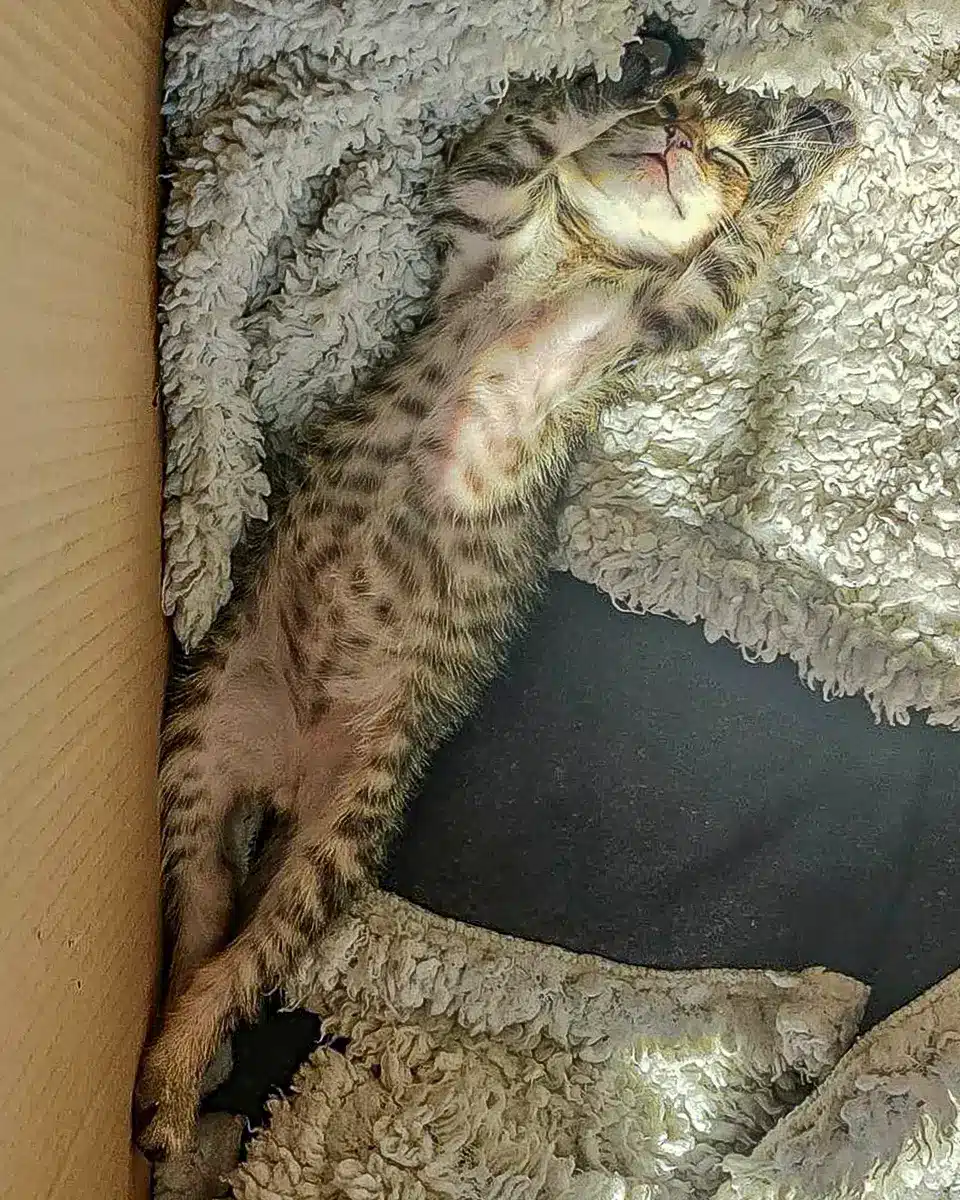
Kittens begin to regulate their body temperature at 3–4 weeks of age. Without a heat source, they may die. A warm water bottle in their bedding is the most accessible solution. Warning: if the water is hot, wrap the bottle in a towel or blanket. If the kittens are wet, dry them thoroughly with a towel.
Next, check for larvae (in ears, nose, genital area, paw folds, or fur). Newborn kittens without a mother to groom them are targets for flies, and the danger posed by larvae increases by the hour. If infested, kittens must be cleaned under veterinary supervision. If it’s late or no vet is available, animal welfare groups can be a true lifesaver.
Feeding
A newborn kitten must be fed every 2 hours, day and night. Kitten milk formula is the safest option. From our experience, Royal Canin milk gives the best results, followed by Brit or Lactadiet.
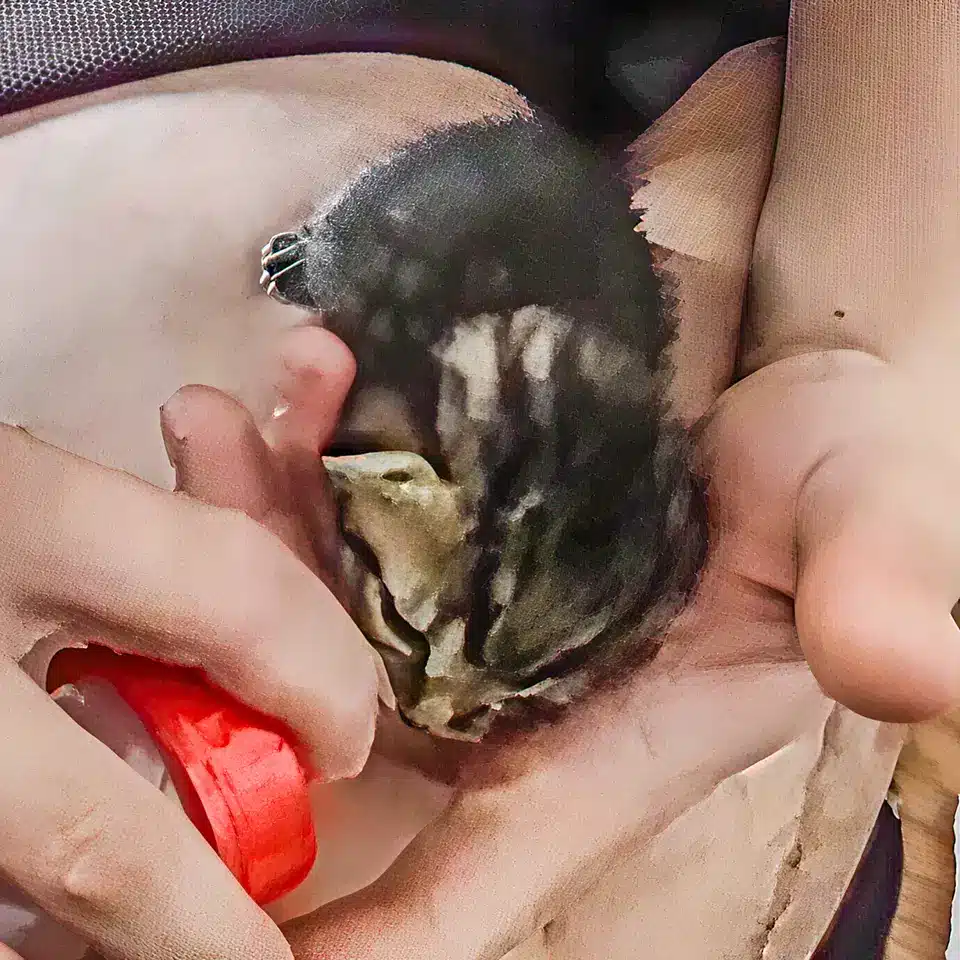
The greatest danger in feeding a newborn kitten is aspiration of milk into the lungs. Therefore, use a special kitten bottle with a properly sized nipple. Feed the kitten in a horizontal position, with paws down — NOT on its back and NOT upright — and monitor swallowing (gently touch under the chin to check for the swallowing reflex).
Prepare formula as per instructions on the packaging, ensuring it’s well mixed and served warm. Important: never feed a street-rescued kitten before warming it up, as the risk of choking is very high!
*If the kittens are found at night or outside veterinary/pharmacy hours and you cannot get milk or a special bottle, again, animal welfare groups are a good alternative for help.
Feeds can be spaced out as the kitten starts eating more. By week 2, feed every 3 hours; by week 3, every 4 hours including at night. From weeks 3–4, they can go 6–7 hours overnight without feeding, and weaning can begin.
For early weaning (3–4 weeks) when necessary, use a special kitten pâté. From our experience, Royal Canin’s “Mother and Babycat” mousse is the best option. It is very important not to feed any other wet food (not even kitten varieties) to help the digestive system adjust and avoid complications. At first, offer small tastes at each meal and gradually transition from milk to pâté. After 6 weeks of age, you can introduce other wet and even dry kitten foods.
Toileting
Kittens cannot relieve themselves without help and must be stimulated. For abandoned kittens, you’ll need to do this using toilet paper, cotton pads, or soft, fragrance-free baby wipes to prevent irritation. Stimulate before and after each feed. If they soil themselves, clean them with a baby wipe and replace their bedding. Their environment, skin, and fur should always be dry and clean.