Did you know that some plants are toxic to your cat and can even cause death?
Cats are naturally curious, which means they may come into contact—accidentally or not—with household plants. The concern here is that some plants can be potentially dangerous to their health, and a few can even cause death within just a few hours of ingestion.
To prevent poisoning, it’s important to consider the cat’s natural curiosity and take measures to protect them!
This guide provides a summary of plants that are risky for cats, the typical symptoms of poisoning, and necessary first aid measures. It also offers tips to avoid accidents and create a safer environment for our feline companions.
Knowing this information is essential for any responsible cat owner.
Dangerous plants for cats

Common species that can be fatal: lilies, oleander.

Species that may cause vomiting, diarrhoea, breathing difficulties, lethargy, seizures, tongue swelling: rhododendron, tulips, daffodils, laurel, poinsettia, orchid, ZZ plant, lilac, lily of the valley, hyacinths, aroids, dieffenbachia.
Identifying poisoning
Symptoms: vomiting, diarrhoea, excessive drooling, breathing difficulties, lethargy, loss of appetite, allergic reactions, seizures, coma.
Onset time: may be immediate or occur several hours later, depending on the plant ingested.
Responding to poisoning
Identify the issue: observe symptoms and the plant involved. Take a photo of the plant and show it to your vet.
First aid: remove any plant remnants from the cat’s mouth and contact your vet.
Treatment: do not induce vomiting; follow the vet’s instructions carefully.
Preventing poisoning
Education: familiarise yourself with toxic plants.
Creating a safe environment: remove toxic plants or limit your cat’s access to them.
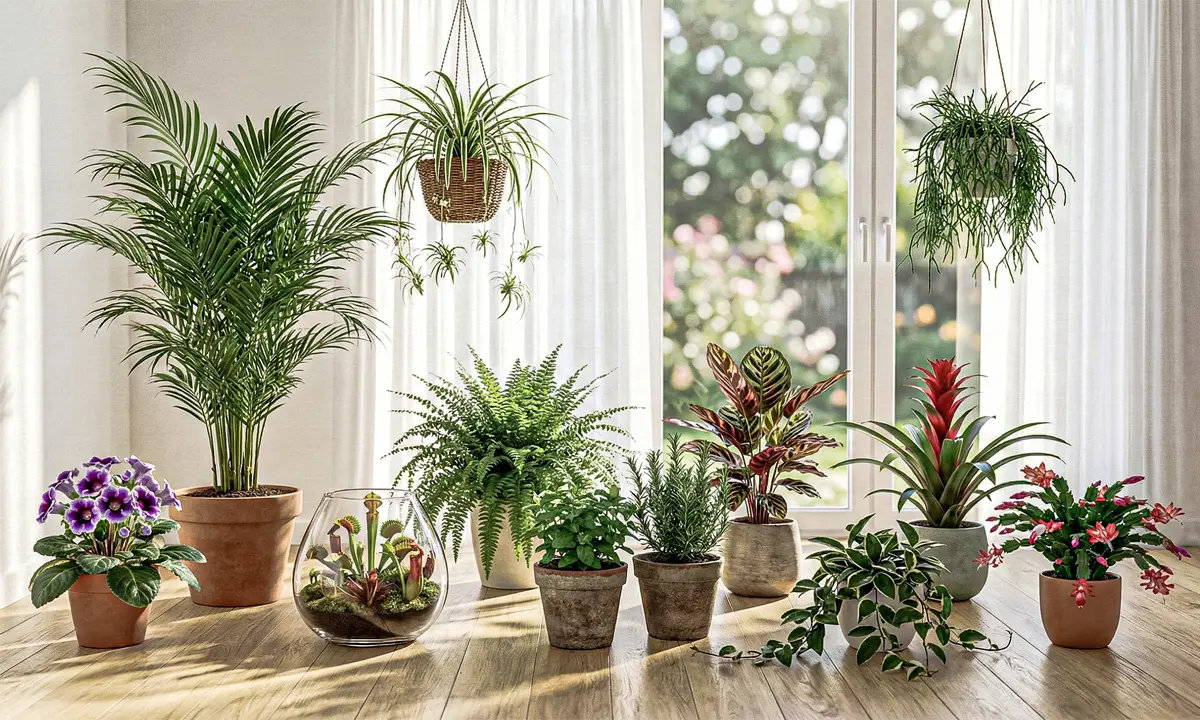
Choosing safe plants: You can opt for non-toxic plants such as: gloxinia, carnivorous plants, palm, spider plant, fern, mint, rosemary, calathea, bromeliad, hoya, rhipsalis, schlumbergera. These plants are not only safe but can also provide benefits, such as stimulating your cat’s activity. You can place trays of wheatgrass, which cats enjoy and which aid digestion while also enhancing your home décor.